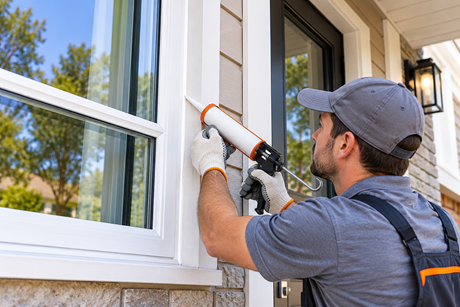
Small gaps around windows and doors may appear insignificant, but they can affect indoor comfort and allow unwanted moisture or air movement. Over time, existing sealant may crack, shrink, or separate from surrounding surfaces.
Professional caulking services can help restore suitable seals around residential openings and support better property maintenance.
Understanding the Purpose of Caulking
Caulking involves applying an appropriate sealing material to joints and gaps where building components meet.
Around windows and doors, these joints may exist between frames, trim, siding, and surrounding surfaces.
Properly applied sealant helps limit air leakage and moisture entry at locations designed to be sealed.
Why Small Gaps Matter
Air movement through poorly sealed openings can create uncomfortable drafts.
Moisture entering vulnerable joints may also damage nearby finishes or materials.
Caulking services help address suitable gaps before these problems become more noticeable.
However, sealant should not block intentional drainage openings or ventilation paths.
Signs That Existing Caulking Needs Attention
Sealant does not remain in perfect condition indefinitely.
Weather exposure, building movement, and aging can affect its flexibility and adhesion.
Visible Cracks and Separation
Cracked sealant is one of the clearest indications that maintenance may be necessary.
Gaps between the sealant and adjoining surfaces can allow air or moisture to pass through.
A visual inspection often reveals these areas around exterior frames.
Peeling or Missing Material
Sealant may detach when surfaces were not prepared correctly or when movement exceeds its capabilities.
Missing sections should be assessed to determine whether replacement is appropriate.
Persistent Drafts
Drafts near windows or doors may indicate gaps, damaged weatherstripping, or other building-envelope problems.
Caulking services may help when the source involves a sealable joint, but proper diagnosis is important.
What Makes Effective Caulking Application?
Successful sealing depends on more than applying material over a visible gap.
Surface preparation, joint design, and material compatibility all influence performance.
Removing Deteriorated Sealant
Loose or failed material should generally be removed before replacement.
Applying new sealant over unstable material may result in poor adhesion.
Surfaces must also be cleaned and prepared according to the selected sealant’s requirements.
Selecting Suitable Materials
Different joints experience different amounts of movement, moisture, and sunlight.
Exterior applications require materials compatible with expected environmental conditions.
Experienced caulking services should account for these factors when planning work.
Applying a Consistent Seal
Correct joint dimensions and controlled application help create an effective seal.
Some gaps require backing material to achieve suitable sealant depth and performance.
The finished joint should adhere properly while allowing the movement it was designed to accommodate.
Seasonal Considerations for Window and Door Sealing
Temperature and moisture conditions influence exterior maintenance.
Sealants have specific application requirements, including acceptable temperatures and surface conditions.
Inspect Before Cold Weather
Autumn inspections can reveal deteriorated joints before winter.
Checking exterior openings also helps identify damaged weatherstripping and visible gaps.
Recheck After Winter
Freeze-thaw cycles and seasonal movement may expose previously unnoticed defects.
Spring provides an opportunity to inspect exterior joints and identify maintenance needs.
Homeowners considering local window and door sealing assistance can use seasonal inspections to determine which areas need attention.
Common Caulking Mistakes to Avoid
Applying excessive material does not necessarily improve performance.
Other mistakes include sealing damp or dirty surfaces, selecting incompatible materials, and covering intentional drainage openings.
Caulking services should focus on correcting the actual source of leakage rather than concealing symptoms.
If moisture continues entering after repairs, further investigation may be necessary.
Conclusion
Proper sealing around windows and doors supports indoor comfort and helps protect vulnerable building joints.
By recognizing deteriorated sealant, preparing surfaces correctly, and choosing appropriate application methods, homeowners can maintain their properties more effectively.
Timely caulking services can form an important part of a practical, long-term home maintenance routine.