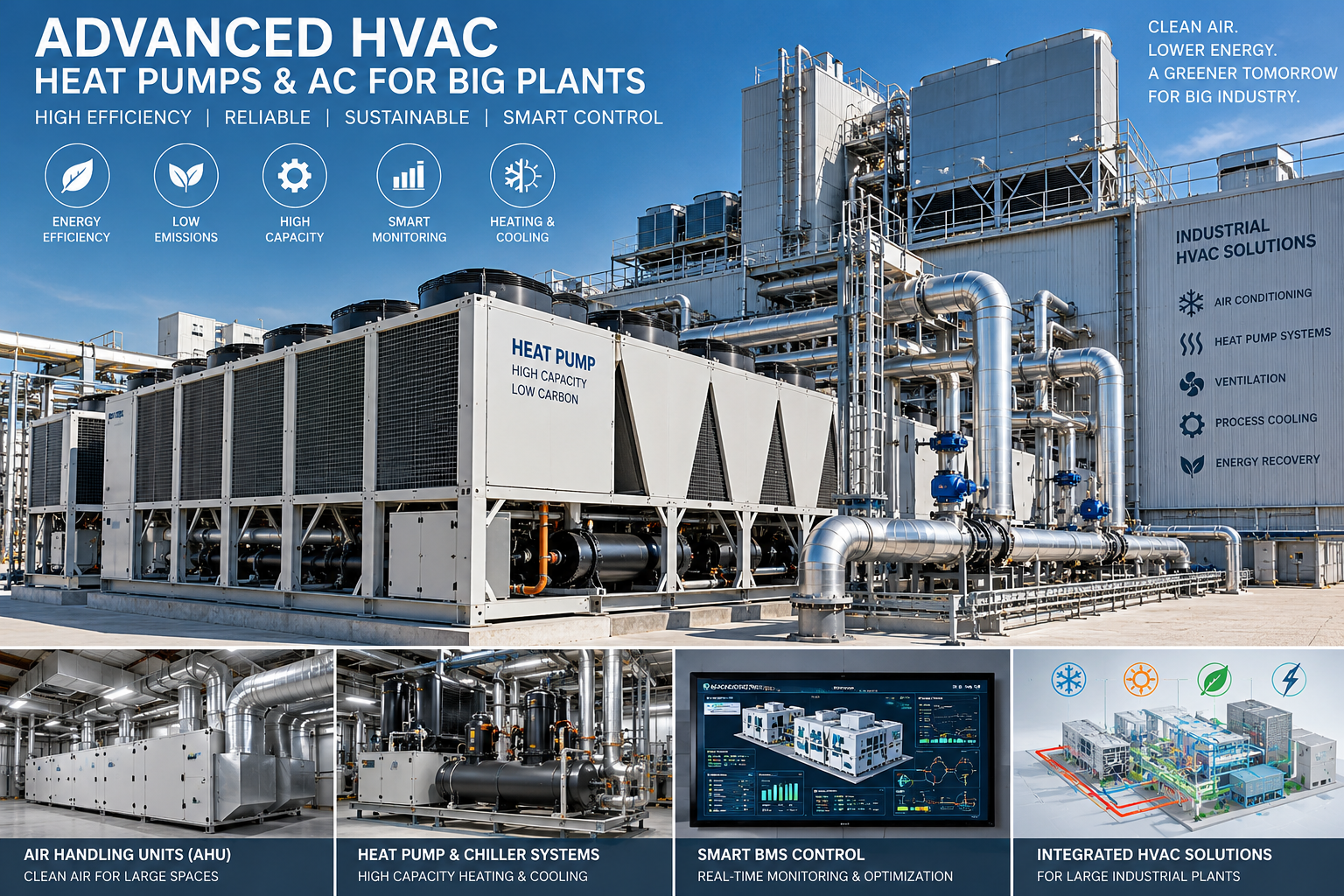
Maintaining comfortable indoor temperatures requires different approaches throughout the year. During summer, homeowners depend on effective cooling, while winter conditions demand reliable heating. Choosing a qualified air conditioning and heating company can help homeowners understand how to maintain both systems effectively.
Heating and cooling equipment influences more than indoor temperature. Air circulation, humidity, energy consumption, and equipment reliability all contribute to overall household comfort.
Understanding the relationship between these factors helps homeowners make informed decisions about system care and performance.
Why Heating and Cooling Should Be Considered Together
Although heating and cooling equipment may operate during different seasons, both systems contribute to the same indoor environment.
Maintaining Comfortable Temperatures
Heating equipment replaces heat lost during colder weather, while cooling systems remove excess indoor heat during warmer periods.
Effective temperature control depends on appropriate equipment capacity, airflow, insulation, and thermostat operation.
A coordinated approach helps homeowners identify factors that influence comfort throughout the year.
Supporting Indoor Air Circulation
Many residential systems distribute conditioned air through ductwork and ventilation pathways.
Restricted airflow can affect both heating and cooling performance.
Maintaining clean filters and unobstructed vents helps support effective air distribution.
Managing Seasonal Humidity
Indoor humidity influences how comfortable a home feels.
Air conditioning systems typically remove some moisture during cooling, while winter heating can contribute to lower relative humidity indoors.
Humidity control requirements depend on outdoor conditions, ventilation, and household activities.
What Should Homeowners Look for in an HVAC Provider?
Selecting an air conditioning and heating company requires attention to technical knowledge and professional practices.
Experience With Different Equipment Types
Residential properties may use furnaces, central air conditioners, heat pumps, or combinations of heating and cooling equipment.
A qualified provider should understand the systems being inspected and the applicable installation and safety requirements.
Accurate Equipment Assessment
Heating and cooling problems do not always originate within the equipment itself.
Poor insulation, duct leakage, inadequate airflow, and thermostat placement can affect performance.
Thorough assessment helps identify the underlying cause rather than focusing only on visible symptoms.
Preventive Maintenance Knowledge
Routine inspections help identify developing problems before equipment experiences major interruptions.
A knowledgeable technician can explain maintenance requirements and recommend appropriate inspection intervals.
Understanding Seasonal Equipment Requirements
Heating and cooling systems face different operating demands throughout the year.
Preparing for Winter
Before colder weather arrives, homeowners should inspect accessible filters, check thermostat operation, and ensure heating vents remain clear.
Fuel-burning heating equipment also requires appropriate combustion and ventilation safety checks.
Preparing for Summer
Cooling preparation includes maintaining outdoor airflow clearance, checking filters, and monitoring system performance.
Professional inspections may identify electrical or mechanical concerns before prolonged summer operation.
Maintaining Comfort Between Seasons
Spring and autumn provide opportunities to review system performance without the extreme demands of peak heating or cooling periods.
These transitional months are useful for identifying recurring temperature inconsistencies.
The Role of Proper Equipment Sizing
Equipment capacity significantly influences indoor comfort.
Oversized systems may cycle frequently, while undersized equipment can struggle during extreme weather.
Proper heating and cooling load calculations account for insulation, windows, air leakage, and building layout.
Homeowners exploring local heating and cooling guidance in Ottawa can benefit from a detailed assessment of their property’s requirements.
Improving Home Comfort Beyond Equipment Maintenance
Heating and cooling performance also depends on the building itself.
Sealing uncontrolled air leaks, improving insulation, and maintaining appropriate window coverings can reduce unnecessary heating and cooling demand.
Thermostat settings should reflect household schedules without causing uncomfortable temperature changes.
These improvements can complement regular equipment maintenance.
Conclusion
A dependable air conditioning and heating company can help homeowners better understand seasonal equipment requirements and maintain comfortable indoor conditions.
Accurate diagnosis, preventive inspections, and appropriate system sizing all contribute to reliable performance.
By considering heating, cooling, airflow, and building efficiency together, homeowners can create a more comfortable living environment throughout the year.