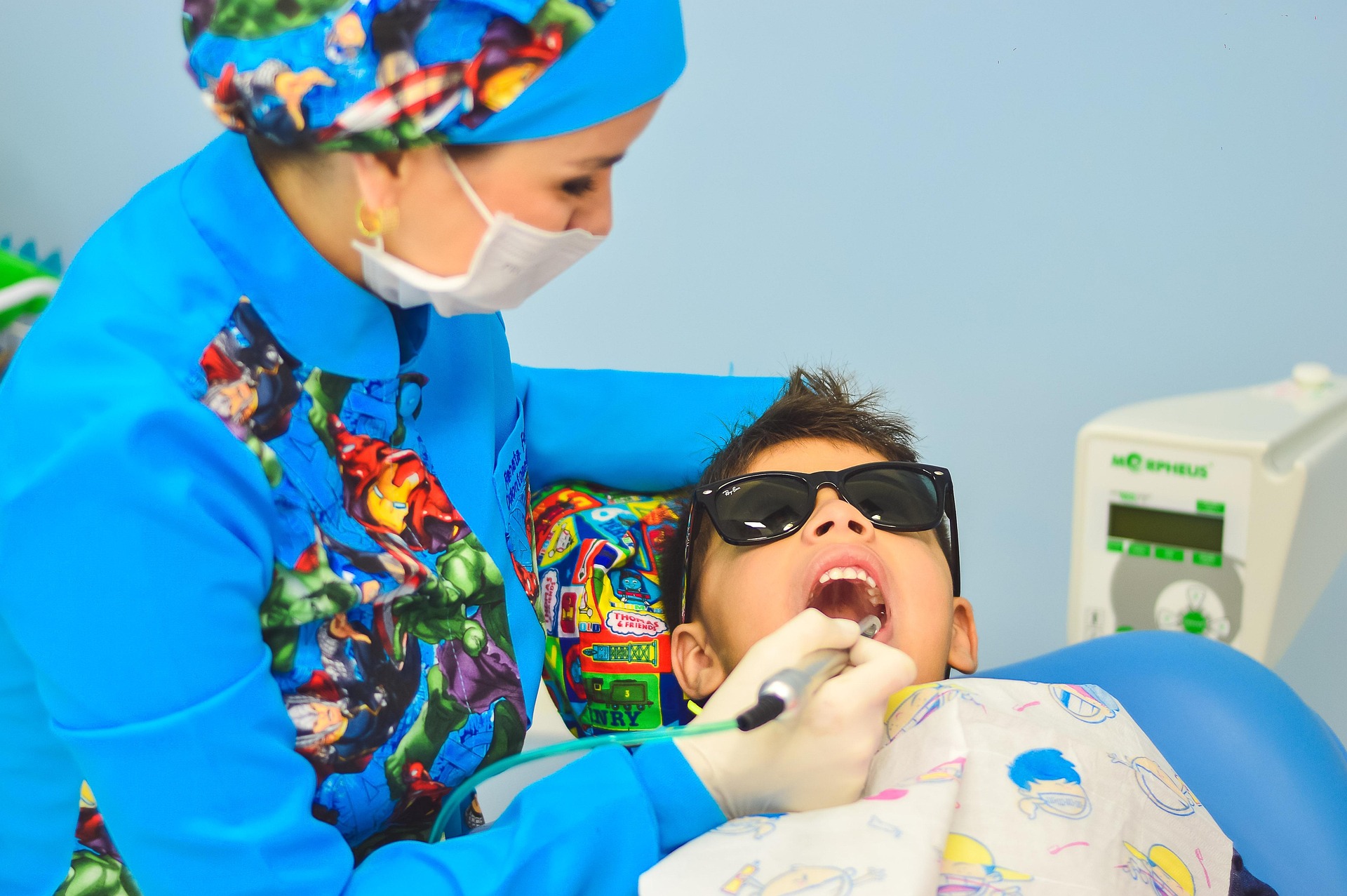
Dental emergencies rarely happen at convenient times. A sudden toothache, broken tooth, or unexpected injury can interrupt daily activities and create considerable discomfort. Knowing how to respond quickly can help protect your oral health and reduce the risk of further complications.
When an urgent dental problem occurs, finding an emergency dentist London Ontario becomes an important step toward receiving timely professional assessment.
Understanding common dental emergencies and appropriate first-aid measures can help you respond with greater confidence.
What Is Considered a Dental Emergency?
Not every dental concern requires immediate attention. However, certain symptoms suggest that delaying professional evaluation could increase the risk of complications.
Common dental emergencies include severe tooth pain, knocked-out teeth, significant swelling, uncontrolled bleeding, and injuries involving the mouth or jaw.
An emergency dentist London Ontario can assess urgent oral health concerns and determine appropriate next steps.
Severe or Persistent Toothache
Intense tooth pain may indicate deep decay, inflammation, infection, or dental trauma.
While temporary measures may reduce discomfort, they do not address the underlying cause. Persistent or worsening pain requires professional evaluation.
Knocked-Out Permanent Tooth
A knocked-out permanent tooth is time-sensitive. Prompt action may improve the possibility of saving it.
Hold the tooth by its crown rather than the root. If dirty, gently rinse it with saline or milk without scrubbing. If possible, carefully reposition it in the socket. Otherwise, keep it in milk and seek urgent dental attention.
Ideally, receive professional care within 30 minutes. Do not attempt to reinsert a knocked-out baby tooth.
Broken or Cracked Tooth
A fractured tooth may cause pain, sensitivity, or sharp edges that irritate surrounding tissues.
Rinse your mouth gently with warm water and avoid chewing on the affected side until a dental professional evaluates the injury.
Warning Signs That Should Never Be Ignored
Some dental symptoms require particularly prompt attention.
These include:
- Severe swelling around the gums, face, or jaw.
- Persistent bleeding following an injury.
- Sudden tooth displacement.
- Intense pain that interferes with sleeping or eating.
- Fever accompanied by dental swelling or discomfort.
An emergency dentist London Ontario may help identify the cause of these symptoms and recommend suitable dental treatment.
However, difficulty breathing or swallowing, rapidly spreading facial swelling, or severe uncontrolled bleeding requires immediate hospital emergency care.
What to Do Before Receiving Professional Dental Care
The steps you take immediately after a dental injury can influence the outcome.
Managing Pain Safely
A cold compress applied to the outside of the cheek may temporarily reduce swelling. Over-the-counter pain medication may help when taken according to package directions and individual medical suitability.
Avoid placing aspirin directly against the gums because it can irritate oral tissues.
Handling Dental Bleeding
For minor bleeding, apply gentle pressure with clean gauze. If bleeding is heavy or does not stop, seek urgent medical attention.
Protecting an Injured Tooth
Avoid hard foods and unnecessary pressure on damaged teeth. Keep any broken fragments when possible and bring them to the appointment.
Why Prompt Dental Attention Matters
Delaying treatment may allow infections, fractures, or inflammation to worsen.
Timely assessment can help preserve natural tooth structure, relieve discomfort, and determine whether further treatment is necessary.
For residents seeking urgent dental care information in London, understanding local accessibility can make unexpected situations easier to manage.
An emergency dentist London Ontario can also provide guidance on preventing similar problems in the future.
How to Reduce the Risk of Dental Emergencies
Although not every accident is preventable, several habits can reduce common risks.
Maintain consistent oral hygiene, avoid chewing ice or extremely hard objects, and wear a properly fitted mouthguard during contact sports.
Addressing small cavities and damaged restorations early may also prevent more serious complications.
Conclusion
Dental emergencies can be stressful, but preparation makes a difference. Recognizing urgent symptoms, following appropriate first-aid measures, and seeking professional evaluation can help protect your teeth and surrounding tissues.
When unexpected oral health problems arise, knowing how to contact an emergency dentist London Ontario can support faster decisions and safer outcomes.